Professor, Interim Associate Dean of Faculty Affairs and Development
Division of Nursing Science
Tenured
kdalonzo@rutgers.edu
New Brunswick
110 P 311
(848)932-0879
Specialty: Health promotion, particularly exercise and prevention/management of obesity in diverse groups of women, immigrant health, community-based participatory research
- Advancing Clinical Outcomes Through Innovation
- Population and Global Health
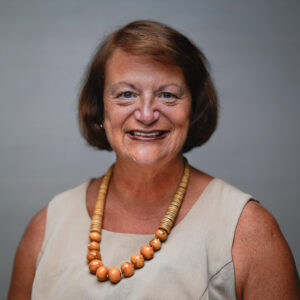
Dr. Karen D’Alonzo is a Professor in the Division of Nursing Science at Rutgers University School of Nursing. She is also the Interim Associate Dean of Faculty Affairs and Development, as well as the Director, Community Engagement, Implementation, and Dissemination Core for CHESR (Center for Health Equity and Systems Research)
Using a lens of community based participatory research (CBPR), her research focuses on health promotion and cardiovascular (CV) risk reduction in diverse groups of women; acculturation stress, allostatic load and immigrant health; and community health worker (CHW)- facilitated interventions. In the nursing community, Dr. D’Alonzo is considered an expert in CBPR issues. Data from her NIH-funded studies have contributed to establishing community engagement and CBPR as priorities at Rutgers
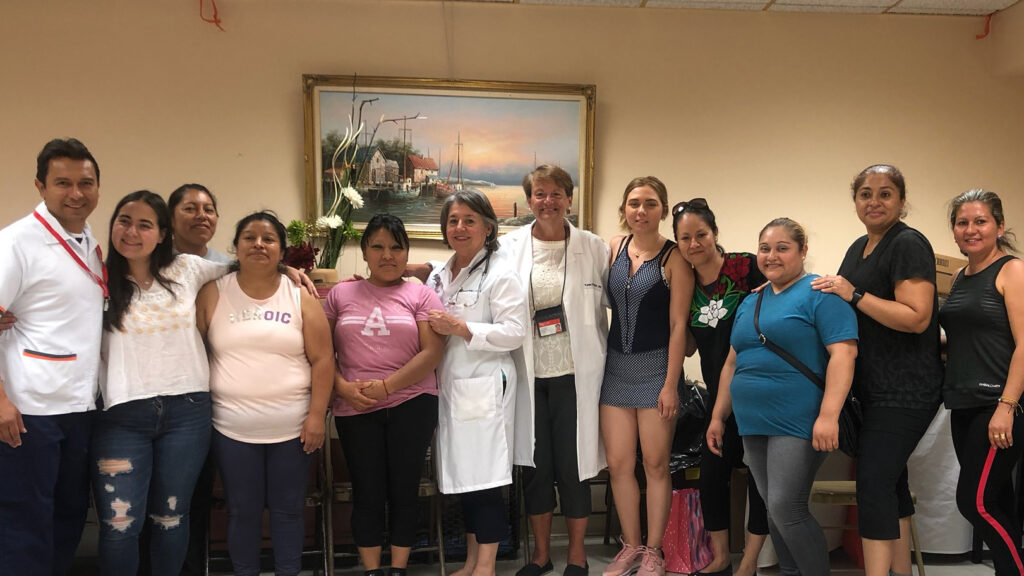
In her early research focused on immigrant Latinos in New Brunswick, NJ, Dr. D’Alonzo used lay community health workers — promotoras de salud –to promote increased physical fitness, leading to reduced obesity rates and better long-term health. Her K01 funded study also examined how acculturation stress impacted physical health, and at how traditional marianismo beliefs, or prioritization of the needs of family members above one’s own, might constitute barriers to healthy lifestyles among Hispanic immigrant women. Women who completed the intervention showed significant improvements in daily physical activity levels, body mass index, and aerobic fitness, along with greater muscle strength and flexibility. Her research demonstrated that other traditional Latino cultural values such as personalismo and confianza, which emphasize the importance of close personal relationships, were key to the program’s acceptance and should be considered when culturally tailoring health promotion interventions among Hispanic immigrants.
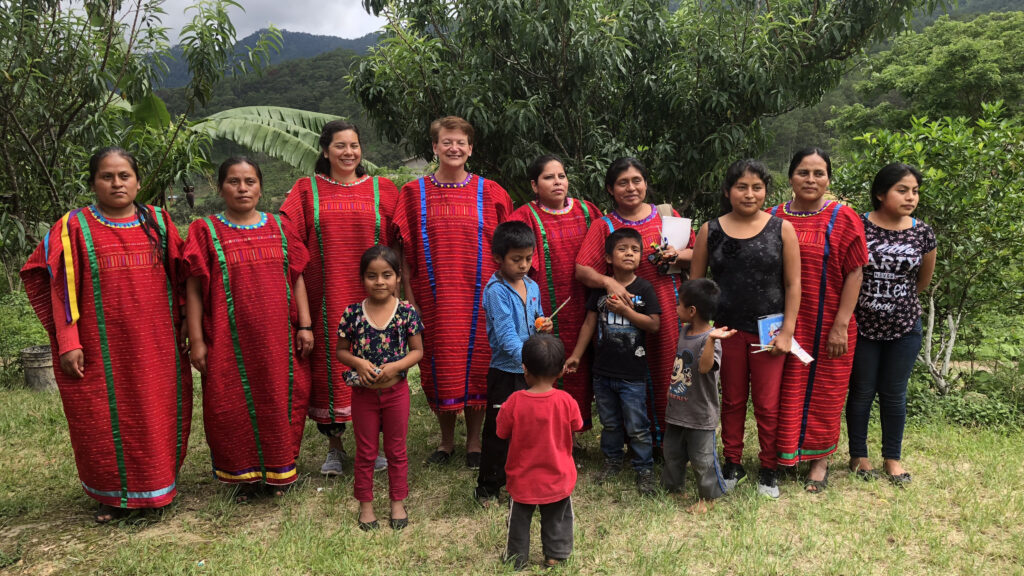
Dr. D’Alonzo noted that many of the women in the Mexican immigrant community reported gaining large amounts of weight following immigration to the US. Although dietary charges and a lack of physical activity were contributory factors, Dr. D’Alonzo posited that acculturation stress might play a major role in weight gain, through the process of allostatic load. In a case-control study comparing acculturation stress and allostatic load among Mexican women in Oaxaca and Mexican- immigrant women in New Jersey, Dr. D’Alonzo and colleagues reported blood pressure and triglycerides were higher in the US group and were mediated by time in the US. Greater acculturation stress was significantly related to increased waist-to-hip ratio. These findings suggest that some measures of allostatic load increased with time in the US, and acculturation stress may be a significant factor.
In an R13 funded study in New Brunswick, Dr. D’Alonzo and her colleagues found that acculturation stress, brought about by structural stigma, may increase CV risk among Mexican immigrants. To test this hypothesis, she is proposing a co-created community health worker- facilitated intervention to address structural stigma and its impact on obesity and cardiovascular risk among Latino immigrants in NJ. Outcomes measures will include Body Mass Index (BMI), blood pressure, Hemoglobin A-1c, physical activity levels, salivary cortisol, food insecurity, allostatic load, cardiovascular risk, and measures of acculturation stress and emotional eating. As the recipient of a P50 grant from Rutgers Institute of Health, Dr. D’Alonzo has recently expanded her community engagement model to address CV disease among Asian Indian immigrants using peer leaders, a role analogous to promotoras in the Asian Indian community.
Dr. D’Alonzo has partnered with the Mexican Consulate in New York City on clinical and research initiatives targeting Mexican immigrants in New Jersey. The Consulate works to promote better health among Mexican immigrants to the U.S. but has no staff to provide clinical services or address health disparities. Dr. D’Alonzo has also brokered educational and research partnerships with several Universities in Mexico, specifically in areas with high rates of migration to the US and to NJ in particular.
Dr. D’Alonzo graduated from Thomas Jefferson University Diploma School of Nursing. She earned a bachelor’s degree in nursing at Rutgers University–Camden and a master’s degree in nursing from the University of Pennsylvania. She is a graduate of the PhD Program at the Rutgers School of Nursing and also is certified as an Adult Nurse Practitioner. She is a Fellow in the American Academy of Nursing.
Research/Scholarly Interests
Using a Community Based Participatory Research (CBPR) framework, Dr. D’Alonzo’s scholarship focuses on: 1) biobehavioral approaches to cardiovascular risk reduction among diverse groups of women and 2) the role of acculturation stress as a barrier to healthy lifestyles among immigrant women. Her NIH-funded research projects have made use of lay community health workers/promotoras de salud to deliver health promotion interventions in immigrant communities in New Jersey.