
Linking biology and behavior to improve symptom outcomes and patient well-being.

Lab Director

Leorey Saligan
PhD, RN, CRNP, FAAN
Vice Dean of Research
leorey.saligan@rutgers.edu
Overview
The BIO-SYM Lab (Biobehavioral Symptom Science Lab) investigates the biological and behavioral mechanisms underlying complex symptoms, such as fatigue, pain, and cognitive disturbances, across acute and chronic conditions. The lab integrates biobehavioral, genomic, and clinical approaches to identify pathways that contribute to symptom development, persistence, and variability among individuals. Through advanced symptom measurement, biomarker discovery, and translational research methods, BIO-SYM aims to develop targeted, evidence-based interventions that improve symptom management, enhance patient functioning, and advance precision health.
Understanding the biological and behavioral drivers of symptoms is essential because symptoms such as fatigue, pain, and cognitive changes are among the most common and debilitating experiences affecting patients across a wide range of conditions, yet they remain poorly understood and often inadequately treated. Research conducted in the BIO-SYM Lab addresses this critical gap by identifying underlying mechanisms that can explain why symptoms vary across individuals and persist despite standard care. This work is vital for advancing precision health approaches, reducing symptom burden, and improving quality of life, particularly for populations disproportionately affected by chronic illness. Ultimately, BIO-SYM’s research informs the development of targeted, mechanism-based interventions that move beyond symptom management toward more effective, personalized care.
Research conducted in the BIO-SYM Lab transforms how complex symptoms are understood, assessed, and treated across different clinical populations. By generating evidence on the biobehavioral mechanisms driving symptoms, the lab’s work informs the development of precise, mechanism-based interventions that can be translated into clinical practice. These advances can improve symptom assessment, guide personalized treatment strategies, and enhance patient outcomes, including functioning and quality of life. In addition, BIO-SYM’s integrative and translational approach contributes to shaping clinical guidelines, informing health policy, and advancing the broader field of symptom science toward more effective and equitable care.
Research Areas
- Biobehavioral Mechanisms of Symptoms
Investigating how biological processes (e.g., inflammation, genomics, oxidative stress) interact with behavioral factors to drive symptoms such as fatigue, pain, and cognitive dysfunction. - Symptom Measurement and Phenotyping
Developing and validating precise tools (e.g., patient-reported outcomes, digital monitoring) to characterize symptom patterns, trajectories, and subtypes across populations. - Precision Symptom Science
Identifying biomarkers and individual-level predictors to tailor interventions based on a patient’s unique biological and behavioral profile. - Translational Symptom Interventions
Designing and testing targeted interventions (pharmacologic and non-pharmacologic) to reduce symptom burden and improve functional outcomes. - Health Disparities and Symptom Burden
Examining how social, environmental, and structural factors influence symptom experiences and access to effective symptom management, particularly in underserved populations.
Current Research Projects
- Symptom Management for Cancer Survivors
- AI-Care: Human-Centered Digital Support for Caregivers and Patients
Lab Team
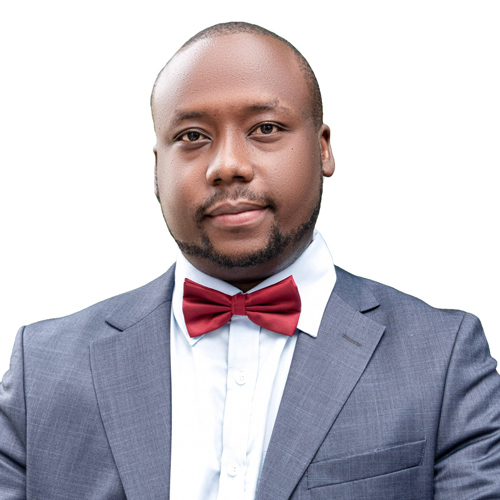
Graduate Assistants:
Svetlana Krasnova

Newton Ochoki
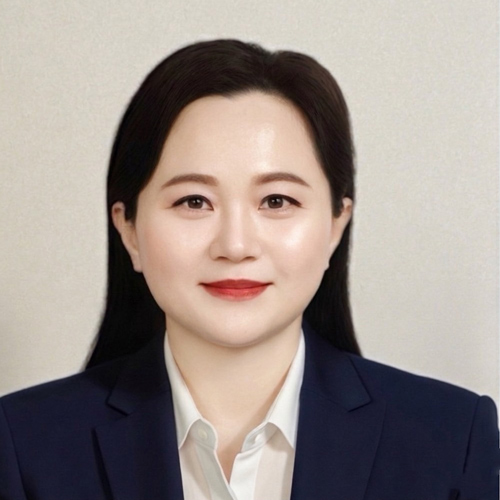
Visiting Scholar
Ching-I Chang, PhD(c), MSN, RN, NP
Partnerships and Collaborations
- Cancer Prevention and Control Program, Rutgers Cancer Institute
- Rutgers, Ernest Mario School of Pharmacy
- Rutgers, Department of Computer Science
- The Ohio State University, College of Nursing 5. UT Health Houston, Cizik School of Nursing
News and Impact
Recent Publications:
- Lukkahatai N, Grayson S, Carducci MA, Bergeron CM, Fishbein KW, Spencer RG, Saligan LN. Age- and treatment-related patterns in fatigue, coping.resilience, and skeletal muscle bioenergetics (31P-MRS τPCr) in cancer surviros: exploratory analysis. Biomedicines, 14(2),448, 2026. doi: 10.3390/biomedicines14020448.
- Goto T, Kreskow J, Blumhorst C, Ross A, Zhao J, Mannes A, Backonja M, Zarate Jr. C, Saligan L. A Preliminary Proof-of-Concept Trial on the Effects of Ketamine on Fatigue: A Randomized Crossover Trial. Pharmacological Reports, 20, 2026. doi: 10.1007/s43440-025-00808-4.
- Gonsalves, S., Zhao, J.J., Livinski, A.A., Steele, M.E., Ross, A.L.R., Fuss, T., Clevenger, K.A.., Saligan, LN. Cleaning and pre-processing of actigraphy data for physical activity and sleep research: a scoping review. Physiological Measurement, 21, 2026. doi: 10.1088/1361-6579/ae3b96.
- Lukkahatai, N., Zhang, J., Benjasirisan, C., Phongphanngam, S., Shen, A., Jaiman, P., Kawi, J., Saligan, LN. Acupuncture and Acupressure for Cancer Symptom Management: an Opinion Statement Based on Preliminary Evidence Mapping. Curr Treat Options Oncol, 12, 27(1):5, 2026. doi: 10.1007/s11864-025-01369-7. 5. Lukkahatai, N., Han, G., Benjasirisan, C., Park, J., Jia, H.M., Li, M., Li, J., Sheng, J.Y., Carducci, M.., Saligan, L. A Comparison of In-Person and Telehealth Personalized Exercise Programs for Cancer Survivors: A Secondary Analysis. Cancers (Basel), 17(15), 2432, 2025. doi: 10.3390/cancers17152432.