
As RSV season ramps up, here’s what parents and at-risk adults should know
November 13, 2025

Meghan Faulkner, nurse practitioner and Rutgers educator discusses prevention, symptom management, and when to seek medical care
As the respiratory virus season begins, pediatric experts are preparing for an expected rise in cases of Respiratory Syncytial Virus (RSV), which can cause cold-like symptoms in most people but can be severe in infants and older adults.
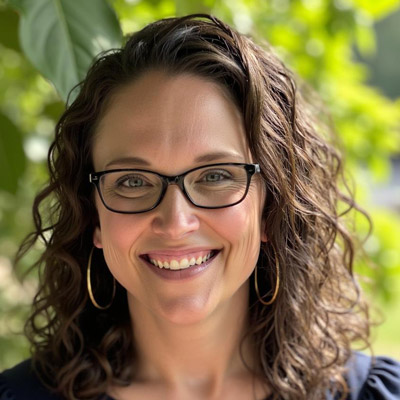
Meghan Faulkner, a certified pediatric acute care nurse practitioner and clinical instructor at Rutgers School of Nursing, discusses her approach to the season in her clinical practice and what families should know about prevention and care.
What are you seeing in your clinical practice and public health reporting as the RSV season gets underway?
For nearly the past 20 years, I have braced for impact as a pediatric provider as RSV season gets underway. The season typically runs from September through April, with most cases exhibiting in the winter months. For the 2024-2025 season, the Centers for Disease Control and Prevention estimated that the burden of disease was responsible for 3.6 million to 6.5 million outpatient visits, 190,000 to 350,000 hospitalizations and 10,000 to 23,000 deaths in the United States.
Which factors most often determine how severely a child – or an adult – is affected by RSV?
Several factors contribute to the severity and burden of illness for both children and adults. RSV is known to cause bronchiolitis, or airway inflammation secondary to mucous plugging. Due to their lack of immunity, inability to expectorate mucus, and more pliable, collapsible airways, neonates and young infants are at the highest risk for developing serious complications and requiring hospitalization from the disease. Infants with any history of prematurity, lung conditions or congenital heart disease are especially at high risk.